The threat landscape is accelerating. Adversaries now leverage AI tools to compress attack timelines, blending advanced techniques to evade detection and moving from reconnaissance to execution faster than ever before. What once took hours now happens in minutes. What took days now unfolds in hours.
This shift doesn’t render traditional detection methods obsolete. The signatures and patterns remain consistent. A credential stuffing attack still looks like credential stuffing. Lateral movement follows recognisable paths. What has fundamentally changed is the tempo. Attackers can now iterate through multiple approaches, pivot rapidly when blocked, and exploit gaps in your defences before traditional security workflows can respond.
For organisations relying on manual triage and multi-tier escalation processes, this creates a critical vulnerability. You’re not just competing against human adversaries anymore. You’re racing against machine-assisted attacks that operate at a pace your SOC wasn’t designed to match.
The question is no longer whether you can detect threats. It’s whether you can detect them fast enough to matter.
Why Detection Speed Defines Modern SOC Effectiveness
Industry data reveals a sobering reality: the average adversary breakout time (the period from initial compromise to lateral movement) now sits at approximately 48 minutes. Some sophisticated threat actors move even faster. If your SOC takes longer than this to detect, investigate, and escalate priority threats, you’ve already lost the critical window for containment.
Traditional security operations centres often rely on tiered escalation models. Tier 1 analysts monitor alerts. Tier 2 analysts investigate suspicious activity. Tier 3 analysts handle complex incidents. Each handoff introduces delay. Each queue adds friction. By the time a critical threat reaches someone with the authority and expertise to act, the attacker has often achieved their objective.
This model made sense when adversaries moved at human speed. It breaks down completely when attackers leverage automation and AI to accelerate every phase of their operations. Speed is no longer just a competitive advantage for defenders. It’s table stakes for survival.
Essential Capabilities for Rapid Threat Detection
The answer isn’t simply to hire more analysts or deploy more tools. Throwing people and technology at the problem without addressing workflow bottlenecks just moves the queue from one place to another. What’s required is a fundamental rethinking of how alerts are triaged, enriched, prioritised, and escalated.
Effective security operations in this environment require several core capabilities:
Automated triage and enrichment (adding threat intelligence and context to raw alerts). Raw alerts must be transformed into decision-ready cases before they reach an analyst. This means normalising inputs from multiple sources, applying threat intelligence and environmental context, and scoring each finding based on potential impact. This enrichment process must happen in seconds, not minutes.
Direct escalation to senior expertise. When a threat crosses priority thresholds, it should land immediately with an experienced analyst who understands your environment and has the authority to coordinate response. Every tier you add between detection and decision-making gives adversaries more time.

Noise reduction that preserves coverage. Automation should demonstrably reduce false positives without creating blind spots. The goal isn’t just to handle more alerts. It’s to surface fewer, higher-quality alerts that demand action.
Comprehensive detection across attack surfaces. Modern adversaries blend techniques. Your detection strategy must combine behavioural analytics with well-maintained use cases for common attack patterns like phishing, insider threats, credential harvesting, and data exfiltration. Static rules alone won’t catch adversaries who iterate rapidly.
 Clear boundaries between automation and human judgement. Automation excels at scale, speed, and consistency. Humans excel at context, uncertainty, and communication. The operating model must make these boundaries explicit and ensure each operates in its domain of strength.
Rapid Threat Detection: The Cyberseer Model
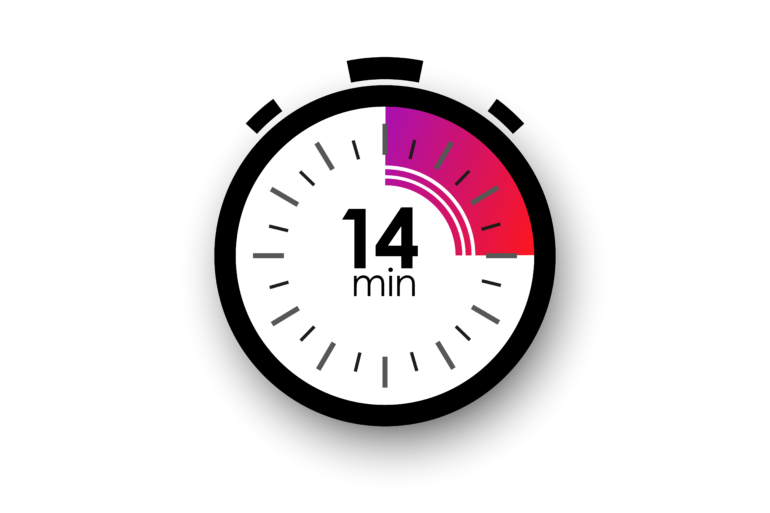 Cyberseer’s SOC doesn’t just aim for speed, it delivers it. On average, priority alerts are acknowledged in under one minute and fully responded to within 14.3 minutes from the point of alert. This performance consistently beats the industry’s average adversary breakout time of 48 minutes, giving organisations a critical advantage in containment.
This isn’t accidental. It’s the result of ASPECT, Cyberseer’s proprietary automation platform, combined with a deliberately flat escalation model.
ASPECT has been refined since 2018 to solve a specific problem: how do you get the right threat intelligence to the right expert analyst as quickly as possible, with all the context they need to make an immediate decision?
Here’s how ASPECT works in practice:
 Collection and enrichment. ASPECT integrates with leading detection technologies, including Google SecOps, Darktrace, Microsoft Defender, CrowdStrike, and Exabeam. It collects alerts and suspicious activity from across your monitored estate, then automatically enriches each signal with threat intelligence. This happens before any human analyst sees the alert.
Intelligent prioritisation. ASPECT identifies a priority threat, it doesn’t queue the alert for tier 1 review. It routes the case directly to a senior analyst with 24/7 coverage. These analysts have the expertise to assess the threat, understand the business context, and coordinate containment measures immediately. There are no handoffs. No escalation delays. No queue.
This model eliminates the friction that slows down traditional SOCs. By combining intelligent automation with immediate access to senior expertise, Cyberseer compresses the time between detection and action to a fraction of industry averages.
Real-World Impact: Faster Than Adversary Breakout Time
Cyberseer’s recent threat findings report documents multiple cases where this speed advantage made the difference between containment and compromise:

- A macOS infostealer targeting credentials and browser data was detected and reported well within the adversary’s breakout window, ensuring containment before any lateral movement or escalation could occur. The user had not provided administrative credentials, preventing full execution, but rapid detection was the decisive factor in stopping the threat.
- Sophisticated phishing campaigns using adversary-in-the-middle techniques were identified and escalated to senior analysts within minutes, with full containment achieved in 15 minutes, enabling immediate user notification and credential rotation before the attacker could leverage stolen access.
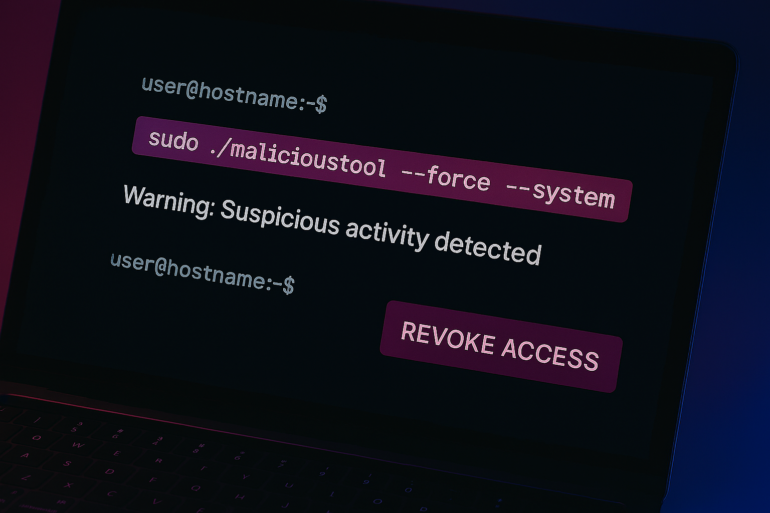
- Abuse of legitimate administrative tools for malicious purposes was flagged based on behavioural anomalies and environmental context, with senior analysts engaging the affected organisation’s IT team before escalation could occur to confirm intent and revoke access.
In each case, the critical factor wasn’t revolutionary new technology. It was speed. ASPECT identified the threat, enriched it with relevant context, and put it in front of someone who could act, all within a timeframe shorter than the adversary’s typical breakout window.
Three Priorities for AI-Era Threat Detection
If your security posture still relies on manual triage and multi-tier escalation, three changes will have an immediate impact:
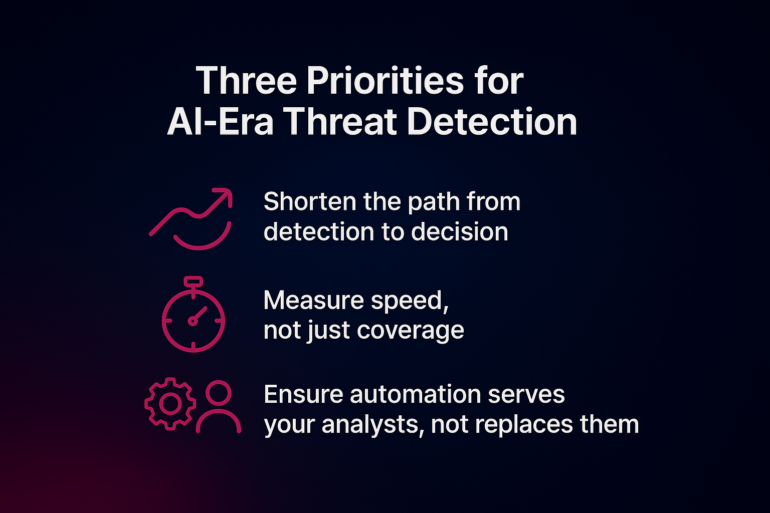
- Shorten the path from detection to decision.
Review your current escalation model. Identify how many handoffs occur between the initial alert and authorised response. Ask your SOC provider to demonstrate how quickly priority threats reach senior analysts and what authority those analysts have to act. If the answer involves multiple tiers and queue times measured in hours, you have a structural problem that no amount of additional tooling will solve.
- Measure speed, not just coverage.
Knowing how many log sources you monitor or how many alerts your SOC processes is less important than knowing how quickly critical threats become actionable decisions. Establish clear metrics for time-to-triage and time-to-escalate. Review these regularly with your provider and demand evidence of consistent performance, not just case studies of best outcomes. - Ensure automation serves your analysts, not replaces them.
The goal of intelligent automation isn’t to eliminate human judgment. It’s to buy back time so your most experienced people can focus on the decisions and coordination that actually require expertise. Ask your provider how automation reduces analyst workload without creating blind spots or introducing new risks.
Regulatory alignment: NIS2 and the Cyber Resilience Act
These priorities align directly with emerging regulatory requirements. NIS2 mandates rapid detection and timely response to security incidents. The Cyber Resilience Act emphasises demonstrable governance and incident management capabilities. Both frameworks assume that organisations can identify and respond to threats before material damage occurs.
Speed to detection isn’t just an operational advantage, it’s a compliance requirement, and organisations that fail to demonstrate consistent, rapid threat response will face increasing regulatory and business risk.
Evaluating MSSP Detection Speed: Key Questions
If you’re reviewing your current SOC provider or evaluating alternatives, use these questions to assess whether they can actually deliver speed when it matters:
- Automated triage. Are high and critical alerts automatically enriched before analyst review? Are high-priority alerts escalated to the analyst promptly?
- Scoring and prioritisation. How are alerts scored and ranked? Can you see the logic that determines priority? How often is this scoring model reviewed and updated based on emerging threats?
- Escalation pathways. When a high-priority alert is generated, who receives it? What authority does that person have to coordinate response? How many handoffs occur between detection and authorised action?
- Response time metrics. What is your average time from alert generation to senior analyst review for priority threats? What is your fastest response time? What is your longest dwell time? Can you provide evidence of consistent performance over the past quarter?
- Coverage and integration. Which detection technologies and log sources does your security and automation platform integrate with today? How are new sources onboarded? What use cases and detection rules are maintained?
- How is the meantime to detect and respond to incidents reported to leadership?
The answers to these questions will reveal whether a provider’s speed claims are marketing or reality.
Next Steps: Implementing Rapid Threat Detection
AI is changing the tempo of attacks, but it hasn’t changed the fundamental principles of detection. What’s different is the operational imperative: defenders must now match the speed of machine-assisted adversaries. This requires intelligent automation that eliminates workflow bottlenecks, combined with immediate access to senior expertise.
ASPECT was built specifically to solve this problem, and it’s been the foundation of Cyberseer’s Managed Security Service since 2018. The platform automates the repetitive, time-consuming work of alert collection and enrichment. The SOC structure ensures that every priority threat lands with someone who can act immediately.
This isn’t revolutionary new technology. It’s a deliberate operational model designed to buy back time when every minute matters. For security leaders evaluating defensive posture in an environment of AI-accelerated threats, the question is simple: can your SOC detect and respond faster than adversaries can move?
If the answer is no, you’re not just losing efficiency. You’re losing the race that determines whether incidents become breaches.
Call or email our team today to discover how Cyberseer can protect your business with rapid threat detection and response: +44 (0)203 823 9030 | info@cyberseer.net